





 Upto 35% OFF
Add


5.0 (1)
Carbamide Forte Probiotics Supplement 30 Billion For Women & Men
From₹499
MRP: ₹770
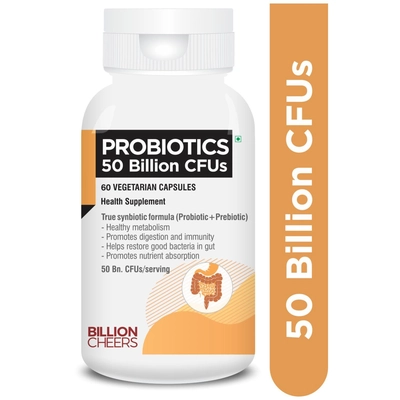
 28% OFF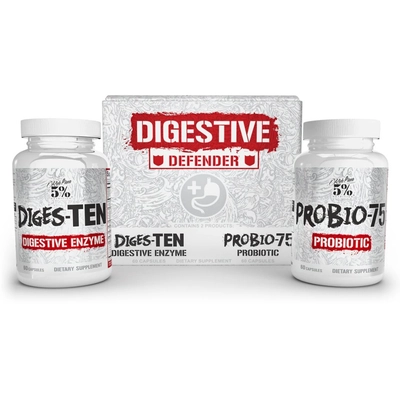
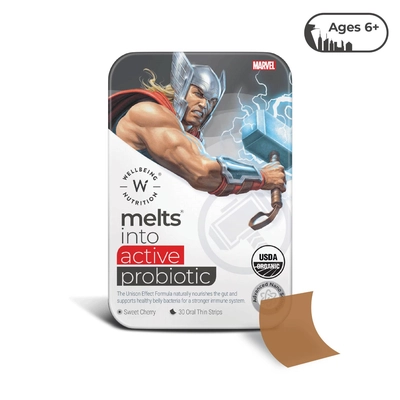
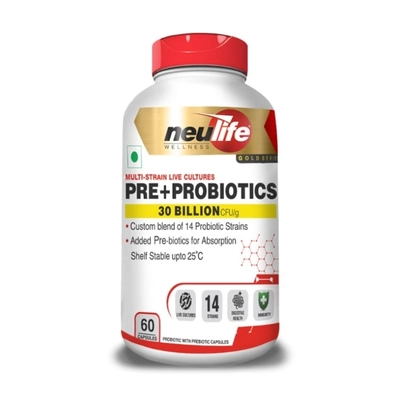
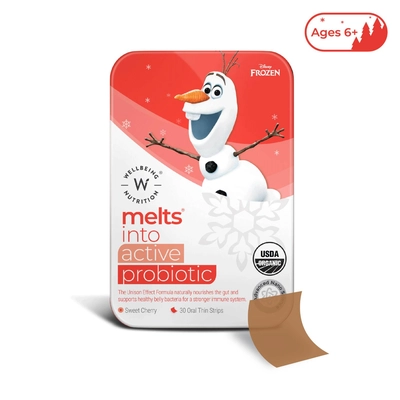
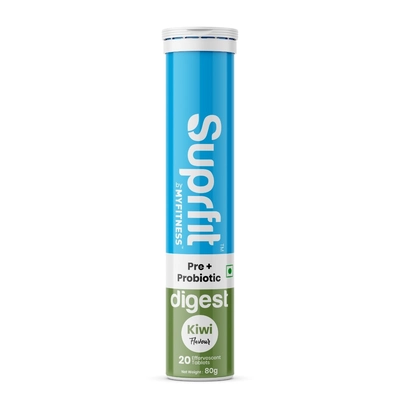
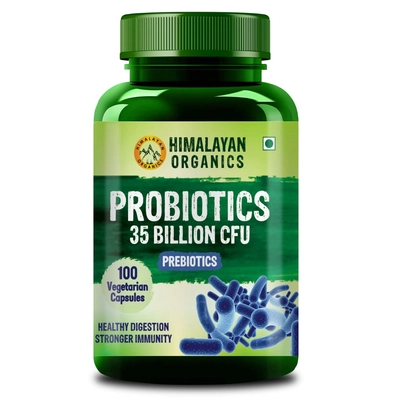
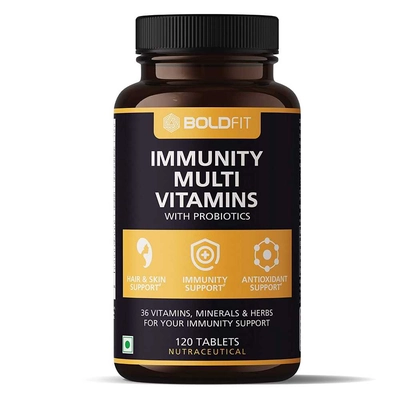
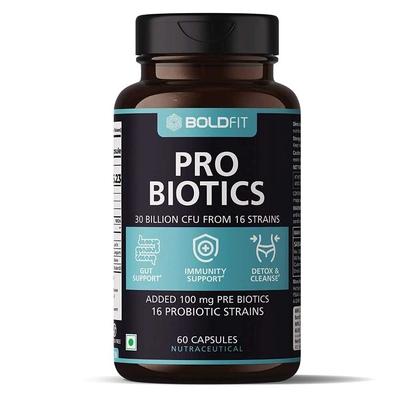
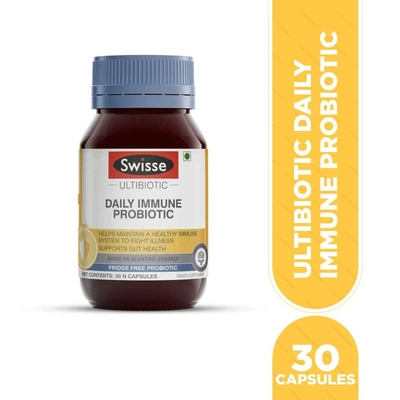 27% OFF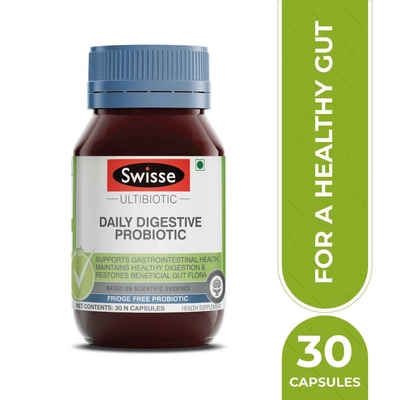

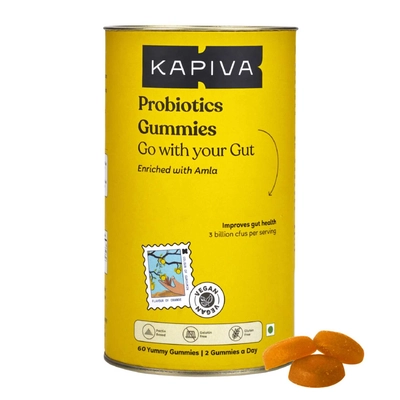
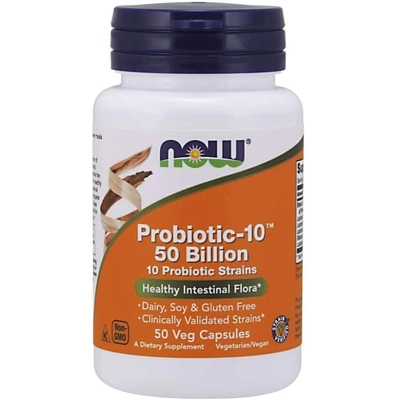
 17% OFF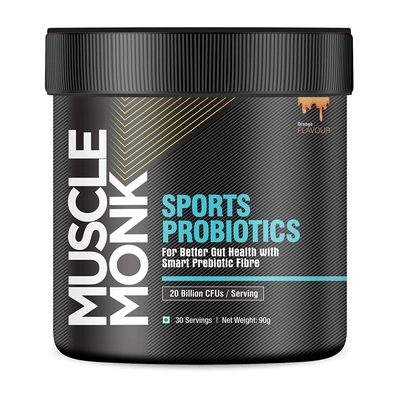
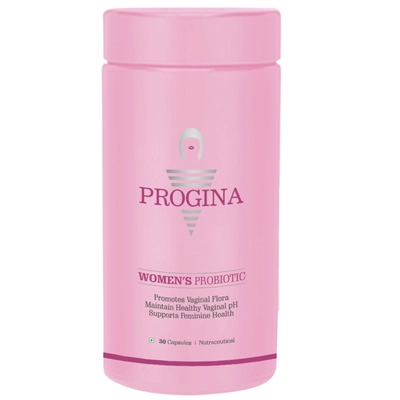

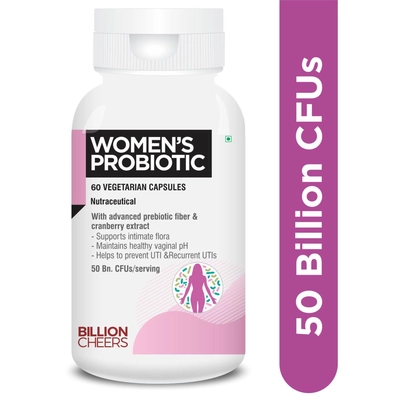
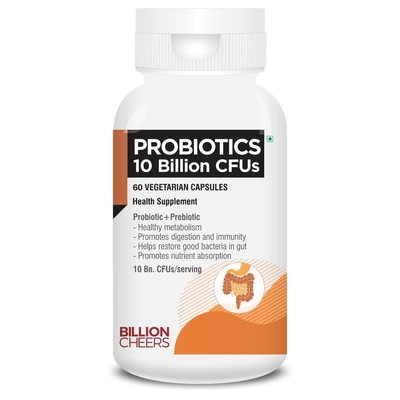
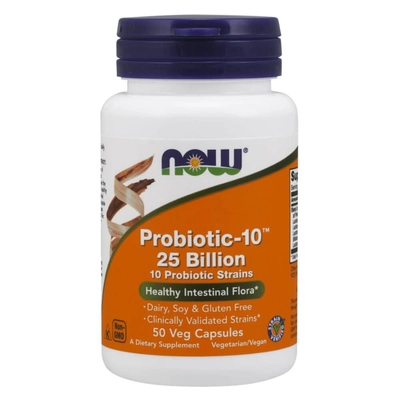
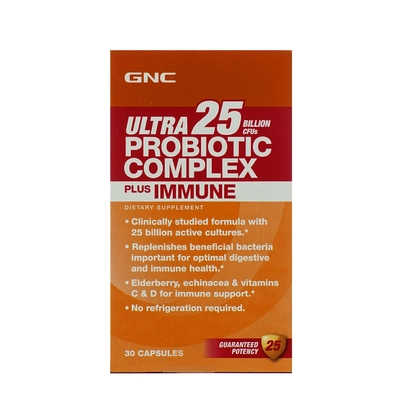
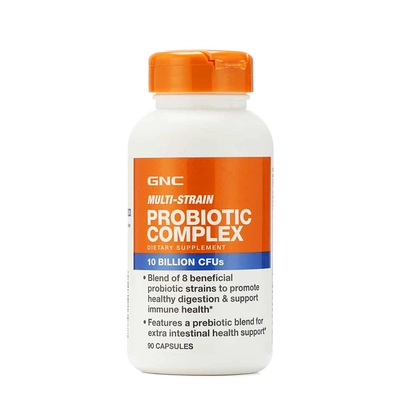
You've viewed all 35 products

Can't seem to find what you're looking for?
Can't seem to find what you're looking for?
What are pre and probiotics?
Probiotics are gut-friendly bacterias or yeasts that exert several health benefits when ingested. We all have both good and bad bacteria in our body. When the harmful bacterias outgrow good ones, the chances of infection rise. While good bacterias or probiotics eliminate toxins and help maintain overall health. The term "probiotic" meaning is "for life."
These live micro-organisms exhibit various health-beneficial properties such as preventing bowel diseases, improving the immune system, lactose intolerance and intestinal microbial balance, and managing blood cholesterol and blood pressure levels. Although there are hundreds of different bacteria species, Lactobacillus and Bifidobacterium probiotic bacterial strains have been observed to benefit the most.
Curd, yoghurt, kimchi, kefir, natto, sauerkraut, miso, tempeh, and kombucha are examples of some fermented probiotic foods. Due to their health-boosting properties, probiotic supplements are also readily available in the market in syrups, capsules, tablets, and powder forms.
Prebiotics are the nutrients on which Probiotics feed. These non-digestible food ingredients promote the growth of probiotics in the body.
Some food sources of prebiotics are asparagus, garlic, chicory, onion, wheat, honey, banana, barley, tomato, rye, soybean, peas, and beans.
Fructo-oligosaccharides (FOS), galactooligosaccharides (GOS), and trans-galacto-oligosaccharides (TOS) are the most common prebiotics. For any compound to classify as prebiotic, it should satisfy the following criteria:
- It must be resistant to human digestion and absorption.
- Gut microbes should be able to ferment it.
- It should stimulate the growth of intestinal bacteria.
Pre and Probiotics: Benefits & Uses
Here are some reasons to include pre and probiotics in the daily diet.
- Bowel health: They help maintain a healthy gut barrier and intestinal health and prevent the entry of toxins which otherwise can cause inflammation and increased risk of leaky gut and Inflammatory Bowel Syndrome (IBS).
- Digestive health: If you experience common indigestion issues like bloating, constipation, gas formation, acidity, etc., frequently, try including a pre and probiotic supplement in your meals to strengthen your digestive system.
- Immune health: Most of our immune cells reside in our gut; hence it is vital to have a healthy gut for the smooth functioning of immune cells. Pre and probiotics promote better immune health by exerting an anti-inflammatory effect and suppressing the levels of inflammation-causing cytokines.
- Better metabolic health: They also impact our blood cholesterol, blood sugar, and blood pressure levels. Diet rich in pre and probiotics is associated with a better biochemical profile and reduced risk of heart disease, hypertension, and diabetes.
- Brain health: There has been increasing evidence showing that probiotics can significantly influence the interaction between the gut and the brain, affect brain function, and modulate behaviour. Some prebiotics has regulatory effects on brain-derived neurotrophic factors, neurotransmitters, etc. People who regularly include pre and probiotics in their diet are less likely to suffer from anxiety, stress, and depression.
- Heart health: Prebiotics can decrease the risk of cardiovascular disorders by reducing the inflammatory elements. Several studies have exhibited an improvement in the lipid profile on taking prebiotics.
How do pre and probiotics work?
The primary role of probiotics is to sustain a healthy gut balance, which is achieved by several actions performed by probiotics.
- Help in better digestion of food.
- Keep a check on detrimental bacteria.
- Help keep a solid intestinal barrier that prevents harmful bacteria from entering the blood we may have consumed through food or drinks.
- Support better breakdown and absorption of medicines.
The degradation of prebiotics results in the production of short-chain fatty acids, including lactic acid, butyric acid, and propionic acid, which benefit the gastrointestinal tract and other distant organs when released into blood circulation.
How to choose the right pre and probiotic for you?
One can include pre and probiotics in the diet through dietary sources or supplements. Consider these points before opting for pre or probiotic capsules or tablets.
- It is essential to determine why to opt for probiotics as the effectiveness may be specific to the strain and the condition. Different brands may have different doses and uses; hence, it is important to analyze individual body needs and their compatibility with probiotics.
- Opt for a brand with multiple beneficial strains of Lactobacillus and Bifidobacterium. Supplements containing both pre and probiotics are considered better.
- One should preferably opt for probiotics that contain at least 1 million CFUs (Colony Forming Units) per gram, which is the research-based minimum amount needed to exert positive effects on the body.
- Always opt for a trusted and certified brand, as manufacturing processes, shelf life, and formulation type can significantly affect the supplement's effectiveness.
- The product must be free from harmful fillers or additives.
- If you are allergic to lactose, opt for dairy-free pre and probiotics.
How to use pre and probiotics?
It is advisable to read the pack's dosage and recommended usage instructions, as some brands suggest taking the supplements on an empty stomach. In contrast, others advise taking it with food. However, consistency is more critical than timing; therefore, one should prefer taking a pre or probiotic supplement at the same time each day.
Where to buy pre and probiotics?
You can shop online at Nutrabay to avail the best pre and probiotics in India. Products sold on Nutrabay are 100% authentic, with a guaranteed hassle-free buying online experience, secure online payment options, and cash on delivery.
Which are the best pre and probiotic supplements?
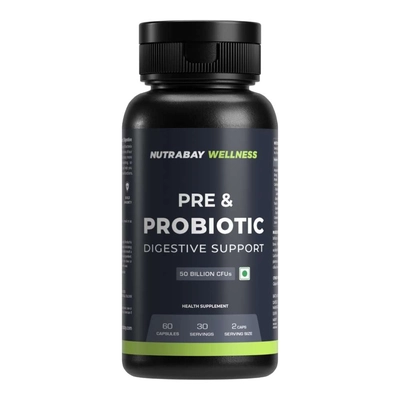
- Nutrabay Wellness Pre & Probiotic Digestive Support - 50 Billion CFUs: It contains a potent blend of 50 Billion CFUs of multiple bacterial strains of Lactobacillus and Bifidobacterium. and a prebiotic - polydextrose. Prebiotic presence promotes the development of good bacteria in the gut and works against bad bacteria. The product is without any harmful additives and fillers. Since these probiotic capsules do not require refrigeration, it is a good option if you often travel and do not need to worry about storing probiotic supplements in the fridge.
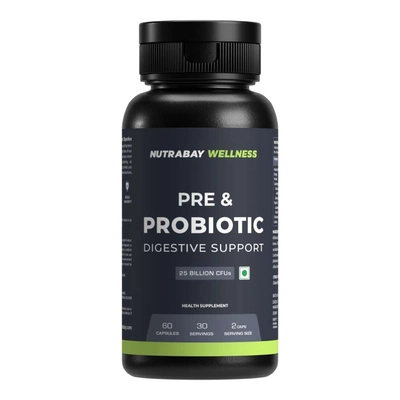
- Nutrabay Wellness Pre & Probiotic Digestive Support - 25 Billion CFUs: This is the best probiotic supplement in India containing natural probiotics. Each serving of these prebiotic and probiotic capsules includes a blend of 10 probiotic strains of Lactobacillus and Bifidobacterium to support immune and digestive health and is formulated to deliver a potency of at least 25 billion CFUs. In addition, it is enriched with polydextrose - a prebiotic food for probiotics- to keep them alive in the container and after we consume them.
Are pre and probiotic supplements safe to use?
Prebiotic and probiotic capsules or drinks are generally safe for adults and children. However, if you are on antibiotics or recently underwent surgery, you should consult your physician before starting the product.
Frequently Asked Questions (FAQs)
1. What is the difference between prebiotics and probiotics?
Probiotics are live microbes or bacteria like Lactobacillus or Streptococcus found in foods and supplements, while prebiotics is fibre on which probiotics feed, resulting in increased growth. Examples of foods rich in prebiotic fibre are oats, berries, bananas, garlic, onion, and legumes.
2. Prebiotic vs. probiotic: which is better?
Both pre and probiotics act synergistically in the body to help maintain an ideal balance between good and bad gut bacteria and overall vitality. Including them in our diet is essential as both are equally crucial.
3. Are there any pre and probiotic side effects?
Although pre and probiotics are safe and valuable for our health, some people might experience these symptoms on taking bacteria-based probiotic supplements:
- Constipation
- Increased thirst.
- Bloating.
- Headache.
- Flatulence.
- Trigger allergy or intolerance.
4. What is the ideal pre and probiotic supplement dosage?
Studies support an intake of at least 1-10 billion CFUs of probiotics per day to enjoy the health benefits. However, the dosage might vary from brand to brand.
As observed in studies, a daily dose of 2.5-10 grams of prebiotics may exert beneficial effects on human health.
Remember, the key is to take them consistently to maintain the probiotics in your gut. It is not intended to be a quick fix. Discuss options with your doctor before taking a pre and probiotic supplement during any medical condition.
5. Which is the best time to take pre and probiotics?
One can take them at any time, preferably first thing in the morning before breakfast or pre-meals.
- Nutrabay Wellness Pre & Probiotic Digestive Support - 50 Billion CFUs₹529
- Nutrabay Wellness Pre & Probiotic Digestive Support - 25 Billion CFUs₹449
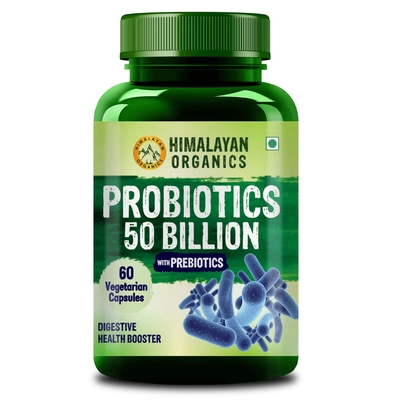
- Himalayan Organics Probiotics Supplement 50 billion CFU with Prebiotics₹699
- HealthyHey Nutrition Probiotics 50 Billion CFU Multi- Strains₹909
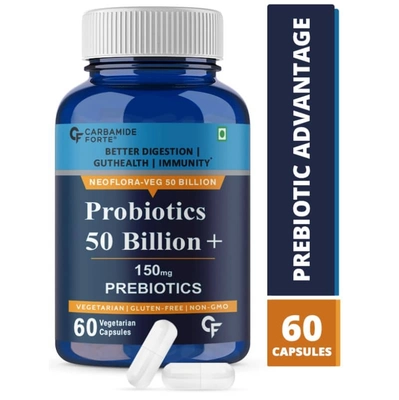
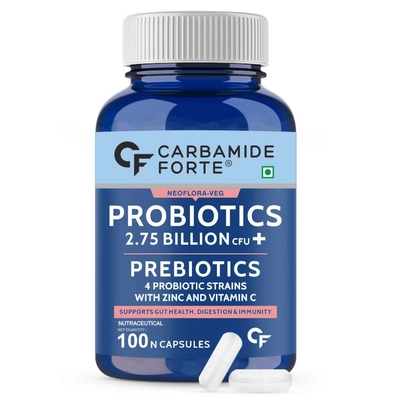
- Carbamide Forte Probiotics Supplement 50 Billion Cfu For Women & Men With Prebiotics 150 mg₹695
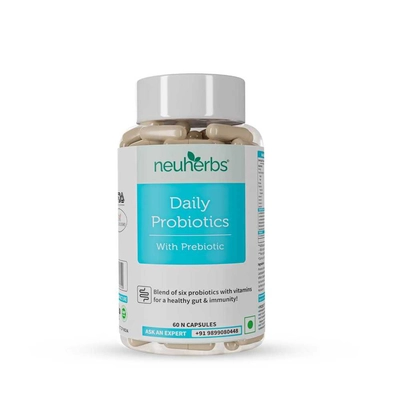
- Neuherbs Acidophilus Daily Probiotics with Prebiotic - for Women & Men₹674
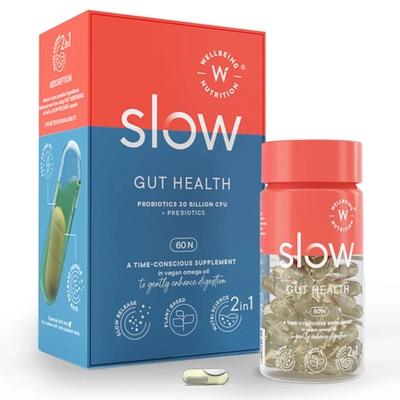
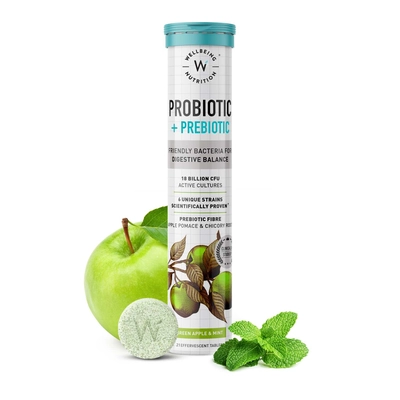
- Wellbeing Nutrition Slow Gut Health₹1,649
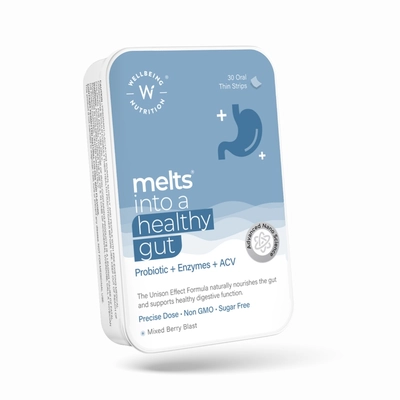
- Wellbeing Nutrition Melts Healthy Gut - Probiotic + Enzymes + ACV₹629
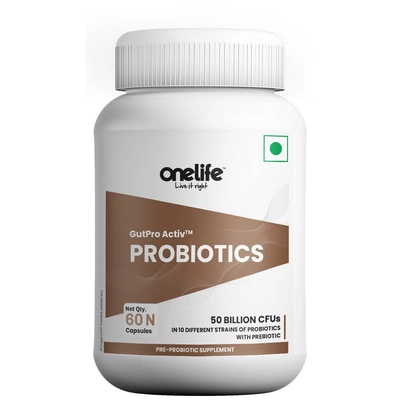
- OneLife GutPro Active₹974
- Carbamide Forte Probiotics Supplement 30 Billion for Women & Men₹499